
Indonesia, BRICS, and the Emerging Multipolar Order
Amantra Advisory Reading Brief
The defining shift this week is the institutionalization of multipolarity across supply chains, energy security, and peace operations—moving well beyond symbolic diplomacy. For your book, the strategic focus lies not merely in geopolitical rivalries, but in how middle powers can actively leverage structural fragmentation to build real influence.
Geopolitical Context & Global Positioning
While domestic policy shifts and sectoral dynamics shape Indonesia’s immediate investment pipeline, these local developments do not occur in a vacuum. They are deeply interconnected with broader structural shifts in the global order. The following reading brief examines how Indonesia’s evolving strategy aligns with the emerging multipolar landscape, BRICS integration, and global supply-chain realignments:
1. BRICS Moves from Political Symbolism to Industrial Strategy
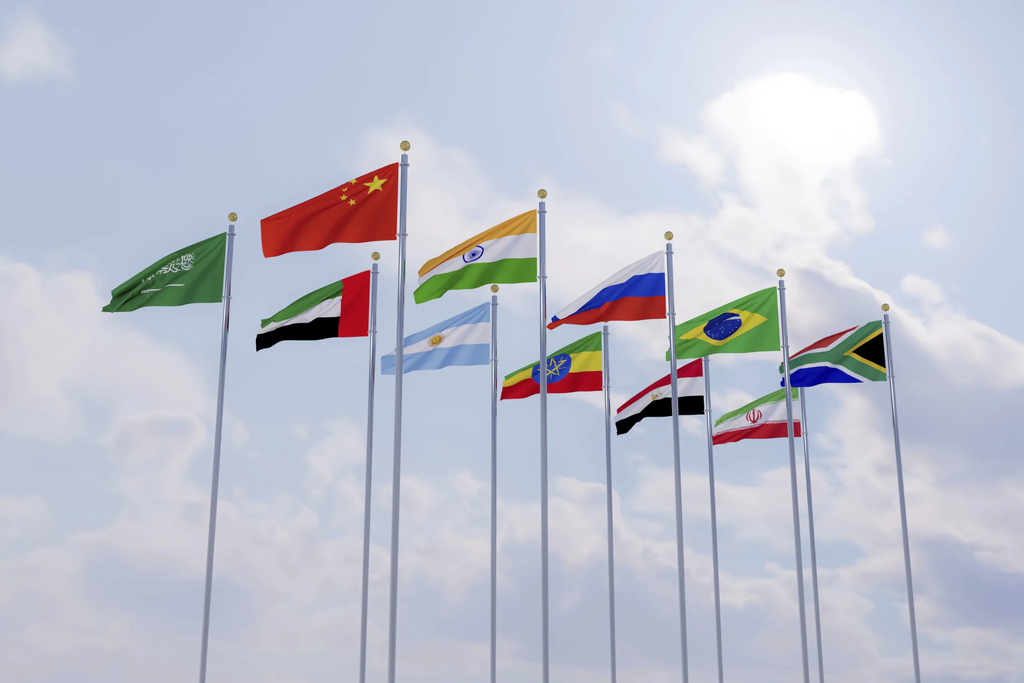
Image Source: BST Europe
- Published: 12 September 2026
Source: BRICS Summit / Down To Earth
- Link: BRICS Photovoltaic Industry Action Plan
Why It Matters
The New Delhi Summit adopted a photovoltaic industry action plan and explicitly linked critical minerals, resilient supply chains, clean-tech manufacturing, hydrogen, and industrial value addition across the Global South.
Indonesia Insight
This strengthens the argument that BRICS is evolving into a platform for industrial policy coordination. Indonesia should view nickel, copper, and renewable-energy ecosystems not merely as export sectors but as instruments of geopolitical leverage.
2. BRICS Reframes Energy Security for the Global South
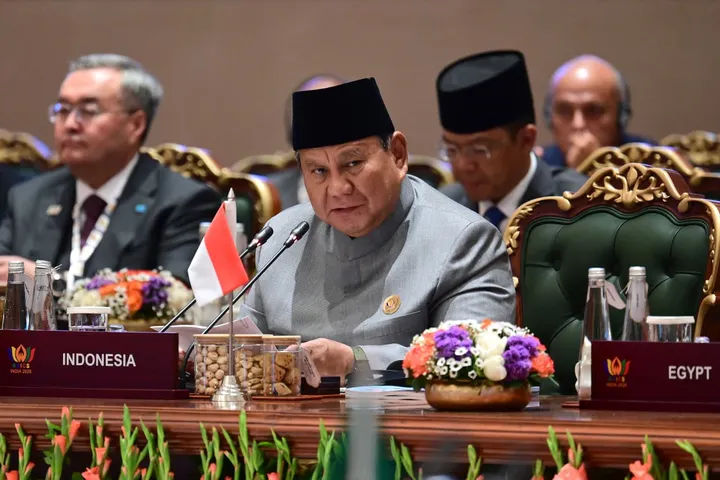
Image Source: Kompas.id
- Published: 12–18 September 2026
Sources: Indian Express, Moneycontrol, Times of India
- Links: BRICS Energy Transition Declaration, BRICS Energy Security Declaration
Why It Matters
The declaration emphasizes resilient infrastructure, uninterrupted energy flows, critical-mineral value chains, and a “just and inclusive” energy transition tailored to developing economies.
Indonesia Insight
Indonesia can position itself as a bridge between energy security and energy transition, advocating a model where industrialization, decarbonization, and development occur simultaneously.
3. ASEAN’s Quiet Pivot Toward Supply-Chain Geopolitics
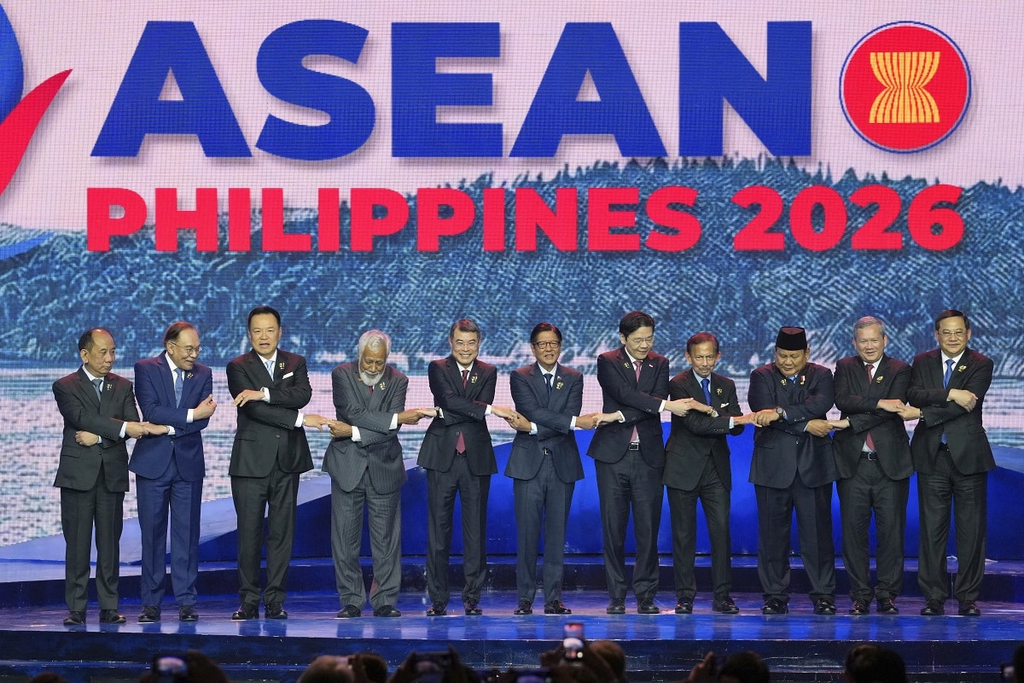
Image Source: Inquirer.net
- Published: 20–24 September 2026
Sources: ASEAN Economic Ministers Meeting, ASEAN-Japan Consultation
- Links: ASEAN Economic Ministers Meeting 2026, ASEAN–Japan Supply Chain Cooperation
Why It Matters
ASEAN economic ministers are increasingly framing energy security, digital transformation, food resilience, and supply-chain diversification as a single strategic agenda.
Indonesia Insight
The future of ASEAN centrality may be economic rather than diplomatic. Indonesia’s leadership opportunity lies in making ASEAN the preferred platform for resilient production networks and trusted trade corridors.
4. The Most Important Peacekeeping Debate This Month
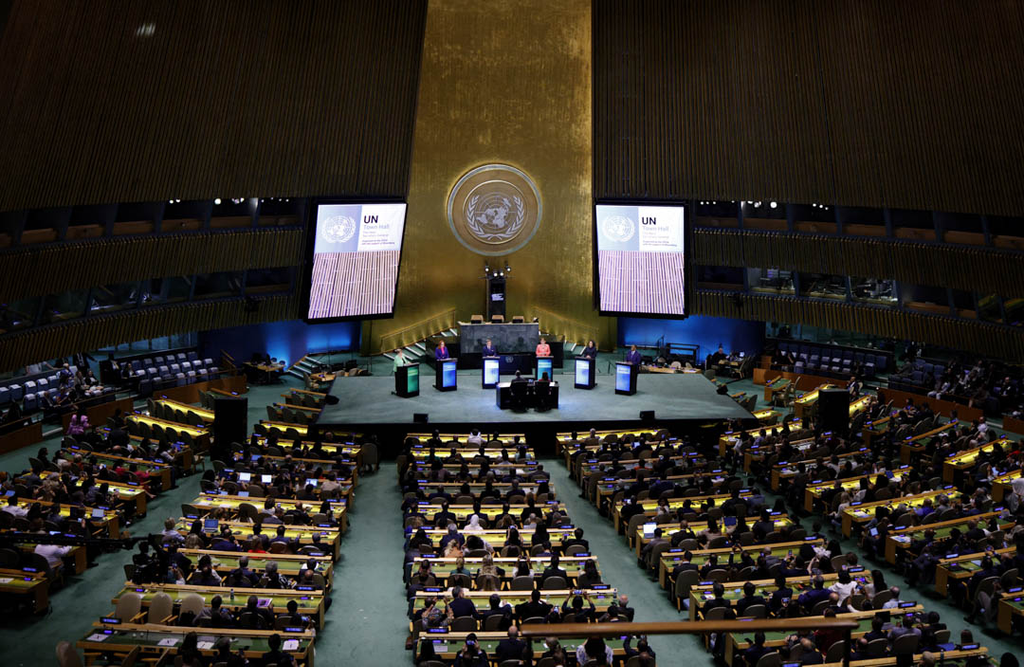
Image Source: International Crisis Group
- Published: 19–21 September 2026
Sources: UN Security Council, Global Governance Institute
- Links: UN Peace Operations Review Debate, Reflections on the Peace Operations Review Report
Why It Matters
The UN is formally reassessing peace operations for a fragmented world, emphasizing political solutions, host-country partnerships, flexible mandates, and regional cooperation.
Indonesia Insight
This opens a pathway for Indonesia to evolve from a troop-contributing country into a provider of mediation, governance support, maritime security expertise, and peace-operation design.
5. Open Trade Corridors Are Becoming Strategic Infrastructure
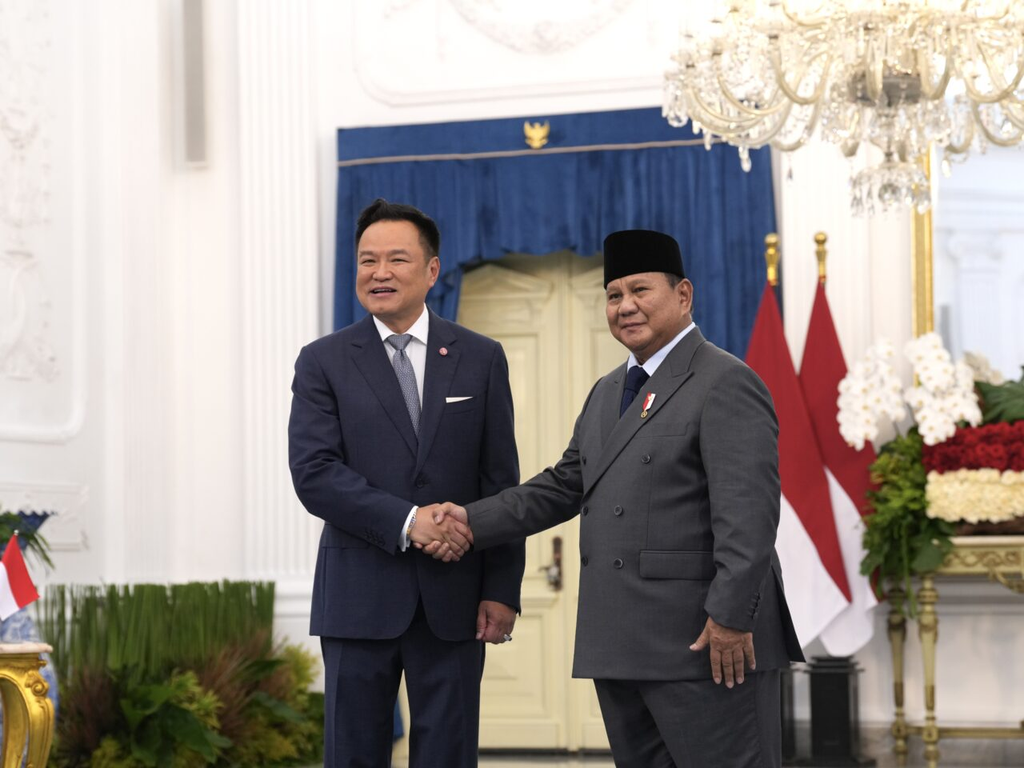
Image Source: Fraksi Gerindra
- Published: 23 September 2026
Source: East Asia Summit Economic Ministers
- Link: Trade Corridors and Industrial Resilience Analysis
Why It Matters
East Asian ministers linked trade corridors, power grids, industrial clusters, energy systems, and digital infrastructure into a single resilience framework.
Indonesia Insight
The next geopolitical competition may be over who controls the connective infrastructure of commerce rather than merely the production of goods. Indonesia’s archipelagic geography gives it a natural advantage.
Thesis Worth Developing
“Indonesia’s Strategic Advantage Is No Longer Neutrality, tt Is Connectivity.”
The countries gaining influence in the emerging order are not necessarily those with the largest militaries or the strongest ideological blocs. They are those that provide:
- Resilient supply chains
- Critical minerals
- Energy security
- Maritime connectivity
- Peacebuilding capacity
- Institutional legitimacy
For Indonesia, Bebas Aktif 2.0 is evolving beyond non-alignment. The challenge is not avoiding dependence on any one power—the challenge is becoming indispensable to all of them.
Amantra Conclusion
In conclusion, Indonesia’s evolving economic landscape demonstrates that its primary strategic advantage lies in its critical role as a global connectivity hub rather than traditional non-alignment. By diversifying beyond nickel into broader industrial ecosystems—including bauxite, alumina, copper, EV supply chains, digital infrastructure, and climate resilience—Indonesia is actively positioning itself as an indispensable economic partner across multi-regional trade networks. For investors and advisors alike, success in this next growth phase depends on building integrated platforms that align sovereign priorities with private capital, structured financing, and sustainable operational execution.